

How Can a Leaking Roof Threaten Your Home’s Structure?
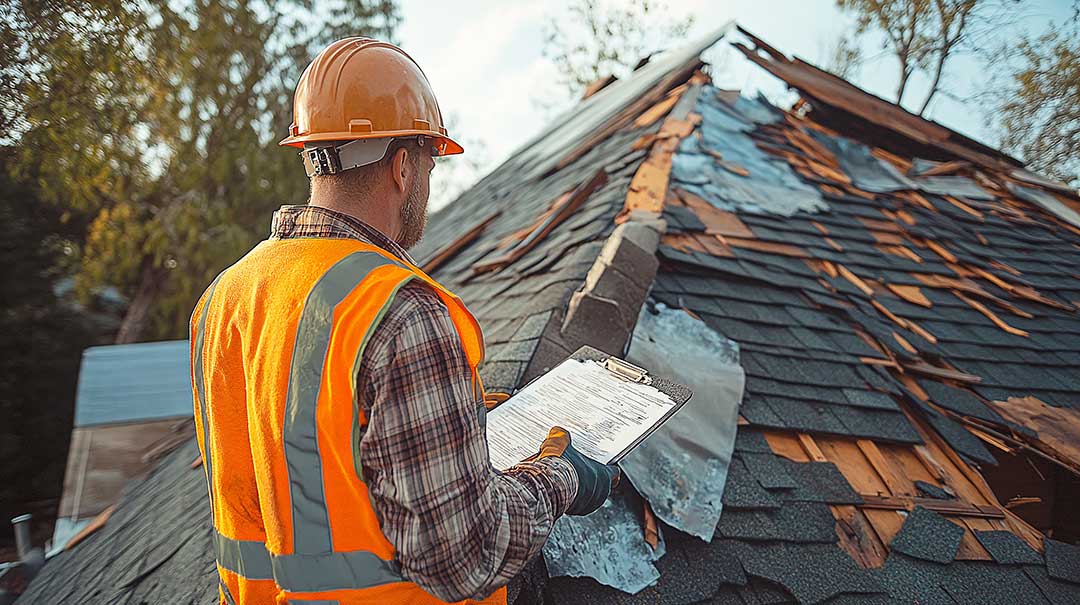
Even a small roof leak can create major problems for a house in Ballston Lake, NY, especially when left unchecked over time. As water finds its way into the layers beneath your roof, it doesn’t simply disappear or dry out—moisture tends to linger, especially with this region’s fluctuating seasonal temperatures and humidity. Persistently wet areas and concealed water damage can ultimately threaten a home’s foundational integrity, impacting more than just the appearance of ceilings and walls.
Where Does Water Travel After a Roof Leak?
After a leak forms, water doesn’t necessarily drip straight down. Instead, it follows the path of least resistance, often winding through insulation, structural beams, or wall cavities before becoming visible inside. In Ballston Lake, where snow and rainfall are common, repeated freeze-thaw cycles can encourage water to seep farther and accelerate hidden damage. Water may show up as:
- Dark stains on ceilings or upper walls
- Peeling paint or bubbling wallpaper
- Musty smells in attics, crawl spaces, or living areas
Why Is Prolonged Moisture Dangerous for Wood Framing?
Roof leaks pose a significant risk to the wooden framework supporting most homes. Wood is especially vulnerable to water, as even minor but repeated moisture exposure can weaken critical structural elements. In a climate like Ballston Lake’s, with cool, damp springs and often humid summers, wet wood may not dry thoroughly between wetting cycles, allowing decay to progress.
Over time, this can cause:
- Warping or buckling of beams and rafters
- Rotting of sheathing, trusses, or joists
- Compromised load-bearing capacity, making floors or roofs feel “spongy”
Any structural weakening could pose safety risks and result in complex, costly repairs if not promptly identified.
Can a Roof Leak Affect Insulation and Indoor Air Quality?
Water from a leaking roof almost always infiltrates attic insulation before it becomes apparent elsewhere in the home. Wet insulation loses its effectiveness, which means higher heating bills during Ballston Lake’s cold winters and uncomfortable, drafty rooms.
Additionally, trapped moisture creates perfect conditions for mold growth. Common local scenarios include:
- Dark mold patches forming on attic rafters
- Strange odors that persist after rain or snowmelt
- Allergy flare-ups among household members
Mold spores can circulate through the ventilation system, reducing air quality and potentially triggering respiratory health issues.
What About Electrical and Fire Hazards?
Leaking water isn’t just a threat to wood and insulation. Water can follow pipes and wiring pathways, introducing risks that are easy to miss. In the attics and walls of Ballston Lake homes, where electrical wiring is often routed near the roofline, water intrusion can lead to:
- Corrosion of wire connections and junction boxes
- Short circuits, which may cause tripped breakers
- In the worst cases, electrical fires if wiring is severely compromised
Spotting rusty or wet electrical boxes, flickering lights after storms, or darkened outlets near leaks are all warnings that cannot be ignored.
Do Local Climate and Housing Patterns Make the Risk Worse?
Ballston Lake’s seasonal patterns—heavy snow accumulation, spring thaw, and summer humidity—create ideal conditions for slow-building water damage. Homes in wooded surroundings or those with shaded roofs are even more likely to develop persistent moisture problems, because lower sun exposure hinders natural drying.
Common housing features in the community, such as vented attics, sloped asphalt-shingle roofs, and older homes with layered additions, can create complex pathways for leaks to travel undetected for months or years.
What Signs Suggest a Leak Has Affected the Structure?
It’s easy to underestimate a less obvious roof leak, but residents should pay attention to these signs linked to potential structural impact:
- Unexpected sagging along ceilings or rooflines
- New creaks or shifting sounds, especially during wind or when walking on upper floors
- Doors or windows sticking due to shifting frames
- Sudden increases in home humidity or unpleasant odors
While patching a leak quickly stops more water from entering, it is equally important to assess whether water has already reached structural timbers or electrical systems.
Can Minor Leaks Lead to Major Long-Term Costs?
It’s a common misconception that only dramatic water events cause real damage. In reality, the biggest threats often come from hidden, slow leaks that continue for weeks or months. These can rot floor joists, corrode nails and fasteners, and degrade roof decking—issues that are far more difficult and expensive to fix than the initial leak.
For Ballston Lake households, taking action to spot and address even the smallest leak can prevent thousands of dollars in future repairs and avoid disruptions that come with major structural renovations.
How Does Timely Roof Maintenance Help?
Regular checks—especially after heavy snow melts, ice storms, or wind-driven rain—can help area residents spot warning signs early. Clearing fallen leaves and ensuring gutters are working can also minimize roof water exposure.
Homeowners who notice suspicious stains, damp patches, or changes in ceiling shape should consider a thorough assessment to make sure hidden problems are not developing beneath the surface.
