

What Counts as a Roofing Emergency?
A roofing emergency generally involves sudden damage threatening the interior or structural integrity of your home. In Ballston Lake, severe wind, hail, falling branches, or heavy winter snow can quickly create problems like leaks, missing shingles, or structural compromise.
Typical situations local residents may face:
- Water leaking through the ceiling during heavy rain
- A large branch puncturing the roof after a windstorm
- Sudden loss of shingles exposing the underlayment
While some issues might be managed with temporary measures, emergencies usually risk deeper damage if not addressed immediately.
What Should You Do First If You Discover Roof Damage?
If you suspect your roof has been damaged, prioritize safety. Assess the situation quickly but do not climb onto the roof, especially during or after storms. Stay indoors if power lines are down or debris is shifting.
Immediate steps for safety:
- Move valuables and sensitive electronics away from the leak site
- Place buckets or towels under drips to collect water
- Turn off electricity in affected rooms if water is near outlets or wires
It’s helpful to take photos of the damage for reference and documentation. Avoid DIY fixes if heavy winds, ice, or precarious materials are involved.
How Can You Temporarily Minimize Water Damage?
For Ballston Lake households, rapid leaks during rain or snowmelt are the most common roofing emergency. While waiting for conditions to settle or for professional assessment, a temporary patch may help contain water intrusion.
Some practical strategies:
- Use heavy plastic sheeting (like a tarp) secured with duct tape or weights to cover the damaged zone from inside the attic
- If water is pooling in a bulge beneath a ceiling, make a small puncture to carefully release collected water, preventing further spreading
- Absorb moisture with thick towels, and consider a portable fan to help with drying
Avoid climbing on icy or rain-soaked roofs; slippery surfaces are hazardous, especially on steep pitches common in the area.
Can You Perform Any Safe, Temporary Repairs Yourself?
In clear, calm weather, homeowners may find it possible to make limited, temporary repairs. Use caution and work from the ground or a stable ladder when possible.
Safe actions to consider:
- Re-secure loose shingles or flapping flashing with roofing cement from the hardware store—only if they are fully reachable
- Place a weighted tarp over sections where shingles are missing, running the tarp over the roof peak to stay secured against wind
- Clear gutters and downspouts of debris to reduce water backup, but avoid this during storms
Always avoid walking on a wet, icy, or unstable roof—even a single misstep can result in serious injury.
How Should You Document the Damage for Insurance or Future Repairs?
Thorough records can make future insurance claims smoother and ensure repairs are handled correctly.
Tips for documentation:
- Take clear, dated photos or videos of interior and exterior damages
- Keep a log describing when the issue started and what actions were taken
- Note the extent and source of any leaks, such as “window-side corner above the dining room”
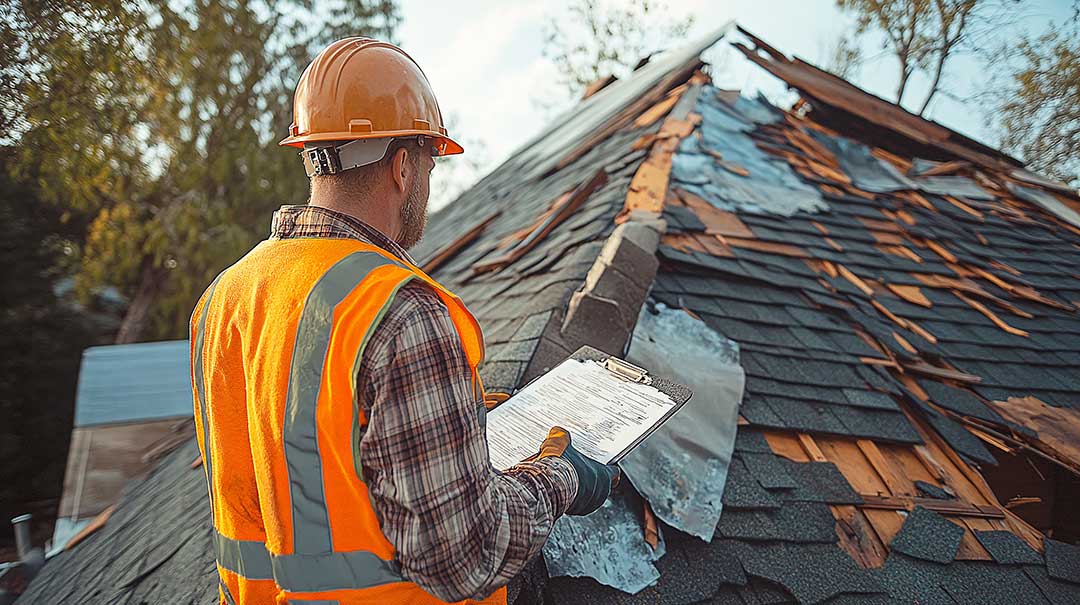
Documentation is also helpful for communication with municipal code officials if storm events lead to broader residential damage in the Ballston Lake area.
What Local Factors Make Emergency Roof Repairs Challenging?
Ballston Lake’s climate presents unique challenges for roof maintenance and emergency response:
- Heavy snow accumulation can cause ice dams, which lead to hidden leaks under shingles
- Seasonal freeze/thaw cycles may cause rapid roof deterioration or delayed leaks
- Deciduous trees near homes drop heavy limbs in wind or snow, increasing puncture risk
- Rural and lakefront homes may experience delayed response after large-scale weather events
Residents should keep common supplies—tarps, buckets, and waterproof tape—on hand before storm season as part of household preparedness.
When Should You Seek Professional Help Instead of Attempting Repairs?
Certain situations require expert assessment and immediate help for safety reasons:
- Large sections of missing roof structure
- Exposed electrical wiring affected by moisture
- Ceiling collapse, sagging, or active flooding
- Mold, strong odors, or signs of rot following longstanding leaks
In these cases, efforts should focus on vacating affected portions of the home and avoiding direct contact with water-damaged materials.
Are There Preventative Steps to Reduce Emergency Roofing Needs?
While not every storm can be predicted, routine maintenance lessens vulnerability:
- Inspect the attic for signs of damp insulation or sunlight showing through the sheathing
- Check for loose, curling, or missing shingles seasonally—particularly after high winds
- Clean gutters and roof valleys in fall and early spring to prevent ice dams and water backup
- Trim overhanging branches to minimize impact from falling debris
Awareness of seasonal risks and regular low-cost upkeep helps prevent sudden emergencies and extends roof life for local homes.
