
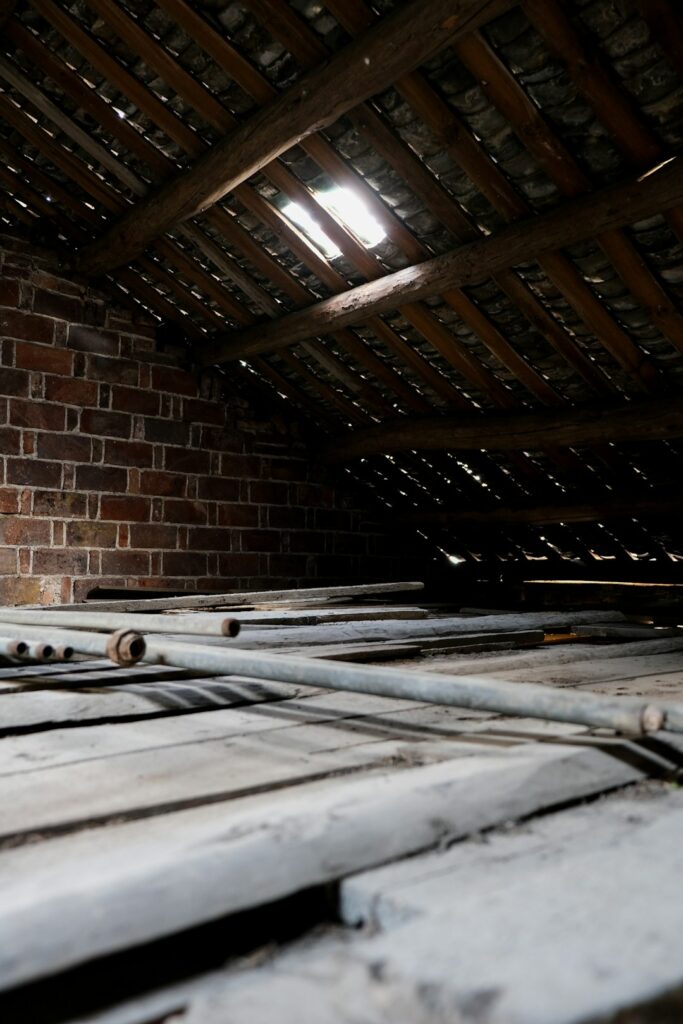
A roof replacement can help reduce energy bills, but the savings usually come from improving the entire roof-and-attic system rather than simply installing new shingles. Better insulation, air sealing, moisture control, and ventilation can help a home stay warmer in winter and cooler in summer.
For households in Ballston Lake, NY, this matters because roofs face a wide range of conditions throughout the year, including cold weather, snow, wind, rain, and strong summer sun. A replacement project creates an opportunity to address problems that may have been hidden beneath the existing roofing materials.
Can a new roof lower heating and cooling costs?
Yes, but the effect depends on what is included in the replacement. New roofing materials alone may have only a modest effect on indoor temperatures. The larger energy benefits often come from correcting heat loss through the attic and roof assembly.
A roof replacement may improve energy performance by:
- Reducing air leaks around roof penetrations, chimneys, and attic openings
- Adding or repairing attic insulation
- Improving soffit, ridge, or gable ventilation
- Replacing damaged roof decking that allows drafts or moisture intrusion
- Installing roofing materials that reflect more sunlight
- Correcting areas where insulation is missing or compressed
If the existing roof is already in good condition and the attic is properly insulated and sealed, replacing the shingles may not noticeably change utility costs. Energy savings are more likely when the old roof is part of a larger building-envelope problem.
Why does the attic matter so much?
The attic is often the most important area to examine during a roof replacement. In winter, heat from the living space naturally rises. If the attic floor has inadequate insulation or unsealed gaps, that heat can escape through the roof. Heating equipment then has to operate longer to maintain the desired indoor temperature.
In summer, solar heat can raise attic temperatures significantly. Without adequate insulation and ventilation, heat may move downward into the rooms below, increasing the workload on air-conditioning equipment.
A properly improved attic generally includes:
- Continuous insulation across the attic floor or along the roofline, depending on the design
- Air sealing around plumbing vents, electrical penetrations, recessed lights, chimneys, and attic access points
- Baffles that keep insulation from blocking soffit airflow
- A balanced intake-and-exhaust ventilation system
- Protection against moisture entering from the living space
Insulation slows heat transfer, while air sealing limits uncontrolled movement of heated or cooled air. Both are needed for consistent results.
How does roof ventilation affect energy use?
Roof ventilation helps manage heat and moisture, but more ventilation is not automatically better. The system must be designed so outside air enters through intake vents and exits through properly placed exhaust vents.
During summer, ventilation can release heat from the attic. During winter, it helps keep the attic cold and dry, which can reduce condensation and limit conditions that contribute to ice dams.
A common mistake is installing or adding a powered attic fan without first sealing the ceiling below. If the attic floor is leaky, the fan may pull conditioned air from the home into the attic. That can increase heating and cooling costs rather than reduce them.
The most effective approach is usually to evaluate insulation, air sealing, and ventilation together. Blocking soffit vents with insulation can also interfere with airflow and create uneven roof temperatures.
Can roofing materials make a difference?
Roofing materials can influence summer heat gain, especially on homes with low attic insulation or limited air conditioning. Some lighter-colored or reflective roofing products absorb less solar energy than very dark surfaces.
However, the benefit depends on the roof design, attic insulation, roof pitch, shade, and the amount of cooling used. Reflective materials tend to provide more noticeable energy benefits in hot, sunny climates than in cold climates. In a region with substantial winter heating needs, insulation and air sealing generally deserve priority.
Material selection should also account for:
- Snow and ice exposure
- Wind resistance
- Roof slope and drainage
- Durability in freeze-thaw conditions
- Compatibility with existing roof ventilation
- Fire and moisture considerations

A roof that remains watertight and structurally sound is an energy asset because wet insulation performs poorly and damaged decking can permit air movement.
Will roof replacement help with winter energy bills?
It can, particularly if the existing roof has moisture damage, missing insulation, or significant air leakage. A replacement may reveal areas where insulation has become damp, shifted away from the eaves, or been compressed by previous work.
In cold weather, uneven attic temperatures can also contribute to snow melting on portions of the roof and refreezing near colder eaves. This process can create ice dams. While ventilation alone does not solve every ice-dam problem, a cold, well-insulated attic with effective air sealing can reduce heat escaping through the roof.
Ice dams should not be treated only as a gutter problem. They may indicate heat loss, air leakage, inadequate insulation, or a combination of conditions inside the attic.
Is roof replacement better than adding attic insulation?
Not always. If the roofing system is sound, adding insulation and sealing attic air leaks may provide energy benefits without replacing the roof. A roof replacement becomes more relevant when the roof is already near the end of its service life, has recurring leaks, damaged decking, poor ventilation, or construction details that cannot be corrected from inside the attic.
The decision should consider the condition of both the roof covering and the attic assembly. Replacing a roof without addressing major insulation or air-sealing deficiencies may leave much of the potential energy improvement unrealized.
Conversely, adding insulation without correcting roof leaks or ventilation problems can hide moisture damage and create future maintenance concerns.
What should residents check before replacing a roof?
Before work begins, it is useful to understand where energy is being lost. Signs that the roof or attic may be involved include:
- Rooms directly below the roof feel unusually hot or cold
- Heating or cooling costs are high compared with similar household usage
- Snow melts unevenly across the roof
- Ice dams form repeatedly
- Attic insulation appears thin, wet, dirty, or disturbed
- Frost or condensation appears on roof framing
- Drafts are noticeable around attic access panels
- Roof vents exist but soffit vents are blocked or absent
An energy audit, attic inspection, or careful building-envelope assessment can help distinguish roof-related problems from issues involving windows, ductwork, walls, or heating equipment.
How quickly will energy savings appear?
Energy savings may appear during the first heating or cooling season, but the amount varies widely. Weather, fuel prices, thermostat settings, household size, insulation levels, and equipment efficiency all affect utility bills.
A roof replacement should not be viewed as a guaranteed way to cut a specific percentage from energy costs. Its value may also include improved comfort, fewer drafts, reduced moisture risk, better protection from weather, and longer-lasting roof components.
The clearest energy improvement usually comes from treating the roof as part of the home’s complete thermal boundary. A durable roof, properly sealed attic, adequate insulation, and balanced ventilation work together to reduce unnecessary heat transfer in every season.
