
What Are Soffits and Fascia, and Where Are They Found?
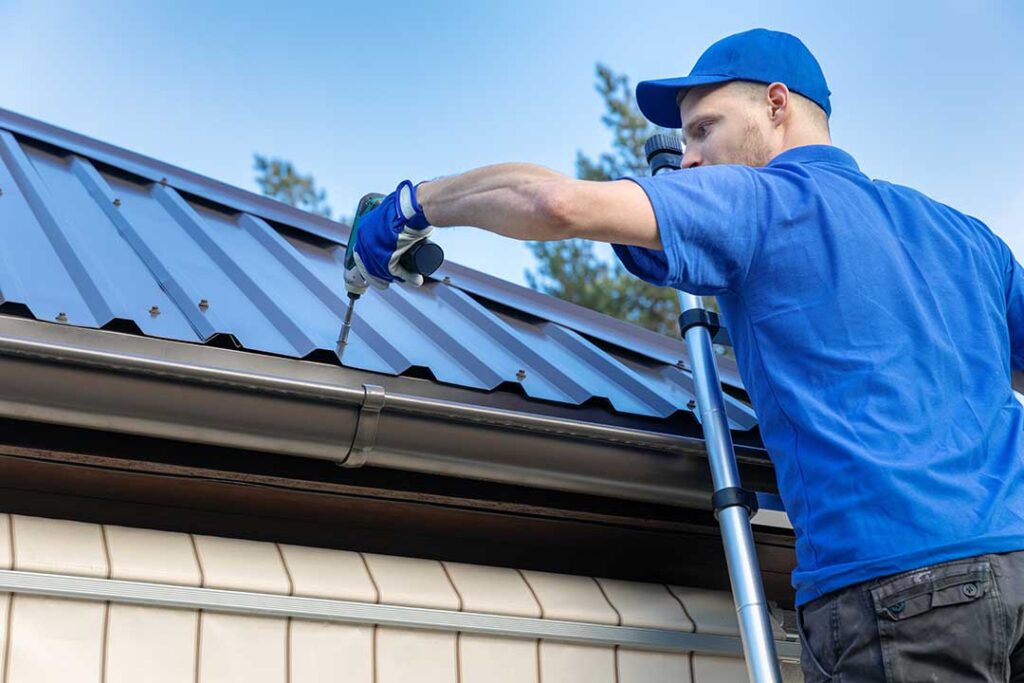
Soffits and fascia are essential components of most residential roofing systems, typically found near the eaves where the roof meets the exterior walls. In Ballston Lake, NY, with its seasonal weather shifts and variable precipitation, these elements protect homes from moisture, pests, and structural issues.
- Soffit: The soffit is the horizontal material installed under the overhang of the roof edge. It is usually vented to allow airflow into the attic.
- Fascia: The fascia is the vertical board running along the roof edge, where gutters are commonly mounted.
Together, these elements finish the look of the roofline while providing practical benefits for area households.
Why Are Soffits and Fascia Important for Homes in Ballston Lake, NY?
Soffits and fascia help protect the integrity of a house by creating a barrier between outdoor elements and interior roof structures. In the local climate, where snow, rain, and high winds are common, their roles are particularly critical.
- Soffits enable attic ventilation, helping prevent moisture buildup that can lead to mold and wood rot.
- Fascia supports the gutter system, ensuring proper water drainage away from walls and foundations.
By keeping out weather and small wildlife that might otherwise nest in roof cavities, soffits and fascia support both roof longevity and energy efficiency.
How Does Proper Ventilation Work Through the Soffit?
Soffit vents are crucial for airflow into the attic, balancing temperature and moisture. This is especially significant in areas like Ballston Lake with cold winters and humid summers.
A well-ventilated attic helps:
- Prevent icicles and ice dams in winter by allowing cold air to enter and warm air to escape, maintaining more consistent roof temperatures.
- Reduce summer heat buildup, which can lower cooling costs and extend shingle life.
- Keep attic humidity under control, discouraging mold and damp insulation.
Without sufficient soffit ventilation, local homes may experience premature roof deterioration or higher energy bills.
What Problems Can Develop If Soffits or Fascia Become Damaged?
Soffits and fascia, if compromised, expose homes to several risks. Spotting damage early makes a significant difference in preventing expensive repairs:
- Rotting or warped materials may allow water intrusion, damaging rafters or attic insulation.
- Loose or missing sections can give entry to squirrels, raccoons, or birds—common concerns in the region.
- Peeling paint or stains may indicate poor ventilation or hidden leaks.
- Gutter failure is likely if fascia boards rot, since gutters require sturdy support.
Homeowners should check these areas periodically, especially after severe weather, to help ensure long-term roof health.
What Materials Are Used for Soffits and Fascia, and Which Are Most Common Locally?
Most homes in the Ballston Lake area feature soffits and fascia made from one or more of the following:
- Wood: Traditional, attractive, but requires regular painting or sealing to resist moisture.
- Vinyl: Popular for its lower maintenance and resistance to rot and pests. Often used in both soffit panels and fascia boards.
- Aluminum: Durable, rust-resistant, and occasionally used as fascia wrap for added protection.
Vinyl and aluminum have become increasingly favored due to the wet springs and snowy winters typical of the region, which make moisture resistance a high priority.
Should Soffits and Fascia Be Inspected or Maintained Seasonally?
Seasonal inspection is a wise practice for area homeowners. The freeze-thaw cycles in the Northeast, along with falling leaves and ice dams, can accelerate wear on these roof components.
Key times to check soffits and fascia include:
- Spring, after snow melt, to assess water or ice damage
- Late autumn, after leaf fall and before winter sets in
- Following severe storms, which may loosen elements or clog vents
Simple steps such as clearing debris from soffit vents, visually inspecting for gaps or rot, and examining fascia behind the gutters can prevent developing problems.
Are There Common Misconceptions About Soffits and Fascia?
Some residents believe soffits and fascia are mostly cosmetic or optional, but skipping their maintenance can lead to significant issues. Other misconceptions include:
- Assuming solid soffits are better: Solid panels restrict airflow. Vented versions are designed to manage moisture and attic temperature.
- Thinking gutters are the only protection from water: Gutters rely on sound fascia. Weak boards can lead to gutter detachment during storms or snowmelt.
- Believing vinyl is always maintenance-free: While lower-maintenance, vinyl still needs cleaning and periodic inspection for cracks or animal damage.
Awareness of these practical details helps locals make informed decisions about roof care.
What Local Conditions Make Soffits and Fascia Especially Important?
Ballston Lake’s combination of heavy snows, spring rains, and wooded surroundings place unique demands on roof edges. In addition to weather exposure, the region’s wildlife often seeks shelter in small home exterior gaps.
Soffits and fascia play a frontline role in preventing these common local problems:
- Ice damming along roof edges, leading to backup leakage and rot
- Clogged soffits or fascia gaps inviting bats, birds, or rodents
- Water overflow from backed-up gutters harming siding or foundation
Local awareness and regular checks adapt national best practices for the region’s distinct conditions, helping area households protect their property investment with confidence.
