
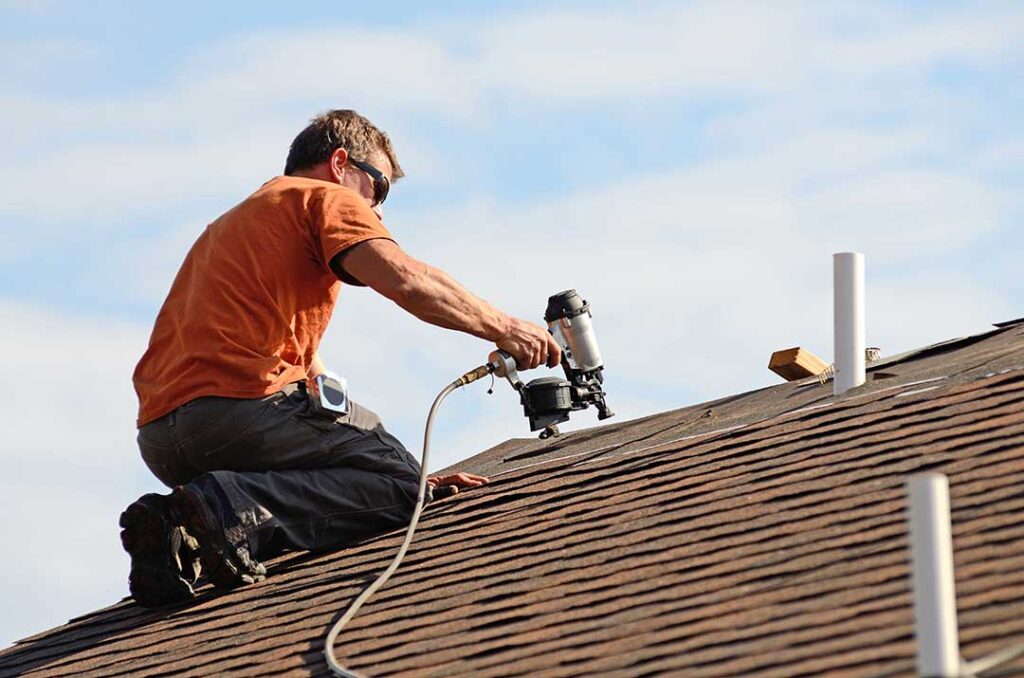
A roof rarely fails all at once. More often, small problems—loose flashing, clogged drainage, worn sealant, or a few damaged shingles—allow water and seasonal weather to cause progressively more expensive damage. Preventive maintenance helps identify these issues while they are still limited and easier to manage.
For homeowners in Ballston Lake, NY, routine roof care is particularly useful because roofs must withstand snow, ice, wind, heavy rain, repeated freeze-thaw cycles, and summer heat. Maintenance cannot prevent every roof problem, but it can extend service life, reduce surprises, and help a household plan for eventual replacement.
What does preventive roof maintenance include?
Preventive maintenance is the regular inspection and care performed before a roof develops a major leak or structural problem. It is different from emergency repair because the goal is to find early warning signs rather than respond after damage has spread.
A practical maintenance review may include:
- Checking shingles, metal roofing, membranes, or other roof coverings for cracks, curling, exposed fasteners, missing sections, or unusual wear
- Inspecting flashing around chimneys, vents, skylights, walls, and roof edges
- Looking for damaged or sagging gutters and downspouts
- Removing leaves, small branches, and other debris that hold moisture against roofing materials
- Checking attic areas for damp insulation, water stains, mold-like growth, daylight, or poor ventilation
- Examining areas around roof penetrations where leaks commonly begin
- Reviewing previous repairs to see whether patches remain secure
The work should be appropriate to the roof’s age, design, material, and accessibility. A simple visual inspection from the ground may identify obvious concerns, but it cannot reveal every condition beneath the surface.
How does maintenance extend roof life?
Regular maintenance extends roof life by reducing the amount of time that moisture, ice, and wind-related damage remain unaddressed. A small opening in a roof covering may not cause an obvious interior leak immediately. Water can travel along roof decking, rafters, insulation, or wall cavities before appearing indoors.
Early attention can help prevent:
- Rot in roof decking or framing
- Rust or corrosion around metal components
- Deterioration of insulation
- Staining and damage to ceilings and walls
- Loosened roofing materials during later wind events
- Repeated leaks caused by an unresolved underlying defect
Maintenance also helps distinguish normal aging from isolated damage. A roof may still have useful service life even if a few components need attention. Conversely, a roof that looks acceptable from the ground may have widespread aging that warrants more careful planning.
Why are seasonal conditions especially relevant?
The local climate places repeated stress on roofing systems. Snow adds weight, ice can block drainage paths, and freeze-thaw cycles can enlarge small cracks or gaps. Wind can lift edges or dislodge materials, while summer heat can accelerate the aging of exposed roofing surfaces and sealants.
Timing matters because different seasons reveal different problems:
Spring: Snow and ice may have exposed loose flashing, damaged shingles, clogged gutters, or water entry around roof edges. Spring is also a useful time to check attic spaces for evidence of winter moisture.
Summer: Warm, dry conditions make it easier to observe surface wear and complete many maintenance tasks. Heat can make aging sealants brittle and may reveal areas where roofing materials have become distorted.
Autumn: Leaves and organic debris can accumulate in drainage systems before winter. Clearing these areas helps water move away from the roof during rain, snowmelt, and ice conditions.
Winter: Roof access is hazardous during snow and ice. Residents should generally avoid walking on a snow-covered or icy roof. Interior checks from the attic and observations from the ground are safer ways to watch for warning signs.
Can clean gutters really protect a roof?
Yes. Gutters and downspouts are part of the roof drainage system, so their condition affects more than water management at the ground level.
When gutters are blocked or improperly sloped, water may back up beneath roof edges, soak fascia boards, or overflow near foundations. In cold weather, trapped water can freeze and contribute to ice buildup. Repeated saturation may damage wood components even when the visible roof covering appears intact.
Downspouts should discharge water far enough away from the building to reduce repeated wetting near the foundation. Extensions, splash blocks, and grading should be kept clear and positioned so water does not flow back toward the structure.
Gutter cleaning is not a substitute for a roof inspection, but it is an important part of preventing avoidable moisture problems.
What early warning signs should homeowners watch for?
Some roof problems are visible before they become urgent. Others appear inside the home.
Exterior warning signs include:
- Missing, cracked, blistered, or curling shingles
- Granules collecting in gutters or at downspout outlets
- Rusted, lifted, or separated flashing
- Sagging roof lines or visibly uneven areas
- Water stains on fascia, soffits, or exterior walls
- Persistent moss or organic growth that keeps roofing materials damp
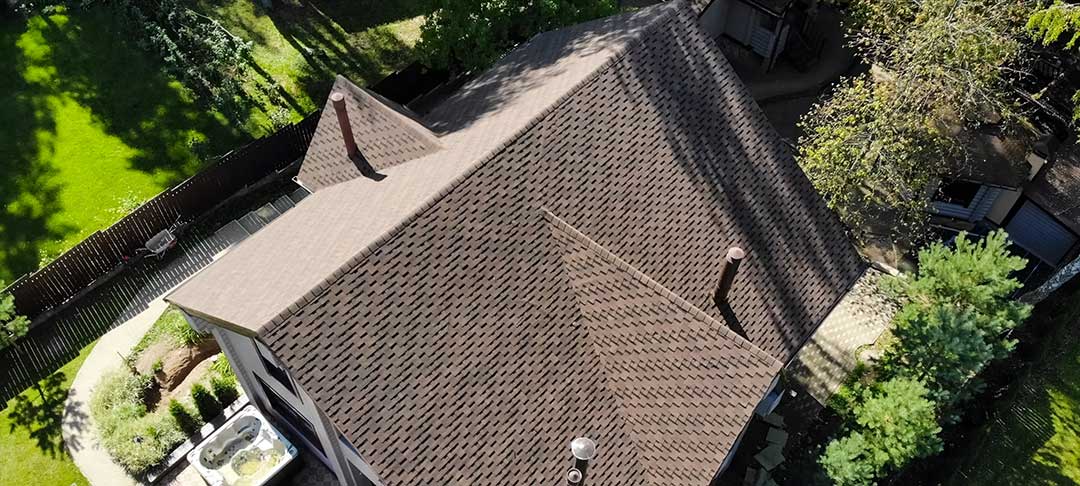
Interior warning signs include:
- Brown or yellow ceiling stains
- Damp insulation in the attic
- Musty odors after rain
- Peeling paint near ceilings or upper walls
- Drips around vents, chimneys, or skylights
- Daylight visible through roof decking
A stain may remain after the original leak has stopped, so the location of an interior mark does not always correspond directly with the point where water entered. That is one reason surface patching without investigating the moisture path can lead to recurring problems.
Is roof maintenance worth the cost?
Preventive maintenance is usually valuable because limited repairs are generally less disruptive than water damage involving insulation, drywall, framing, or interior finishes. The financial benefit is not that maintenance eliminates all future expenses. Rather, it can improve timing and reduce the likelihood that a minor defect becomes an emergency.
Maintenance also supports better household planning. Knowing whether a roof has isolated repairs, widespread aging, or several years of expected service life can help residents prepare for eventual replacement instead of making decisions during an active leak or severe weather event.
The value is especially clear when a roof has complicated features such as multiple slopes, dormers, skylights, valleys, chimneys, or additions. These areas create more transitions and drainage changes, which means more places for water to enter if components age unevenly.
How often should a roof be checked?
A practical schedule depends on the roof’s age, material, condition, surrounding trees, and exposure to wind. Many households benefit from a visual review at least once or twice each year, along with additional checks after major storms or unusual weather.
A maintenance review is also sensible when:
- The roof is approaching the later part of its expected service life
- A large branch has struck the roof
- Strong winds have occurred
- Snow or ice has caused unusual buildup
- Gutters repeatedly overflow
- A new ceiling stain or attic odor appears
- Remodeling, solar work, or other construction affects roof penetrations
Roof access can be dangerous, especially when surfaces are steep, wet, icy, or snow-covered. Residents should not take unnecessary risks to inspect elevated areas. Conditions involving sagging, active interior water entry, exposed electrical components, or substantial storm damage require prompt attention because they may involve safety hazards as well as property damage.
What is the difference between maintenance and replacement?
Maintenance addresses specific conditions while the roof remains generally serviceable. Replacement becomes more likely when aging, damage, or repeated repairs affect a large portion of the system.
Signs that replacement planning may be appropriate include widespread surface deterioration, recurring leaks in different locations, extensive damage beneath the visible covering, persistent sagging, or a roof that has reached the later portion of its expected life.
A roof does not necessarily need replacement simply because it has reached a particular age. Material quality, installation, ventilation, weather exposure, repairs, and maintenance history all affect performance. A careful evaluation should consider the entire roofing system rather than relying on age alone.
For households in Ballston Lake, routine observation and timely maintenance provide a practical way to manage weather exposure, protect interior spaces, and make future roofing decisions with better information.
