

What Are Roof Penetrations and Why Do They Matter?
Roof penetrations are any places where something passes through the surface of your roof. In Ballston Lake, NY, these often include vent pipes, chimneys, skylights, and even satellite dish mounts. Properly sealing these areas is crucial because they’re typically the first spots where water may enter if not finished correctly.
Unsealed or poorly sealed penetrations expose your home to water infiltration, which can lead to rot, insulation damage, mold growth, and even interior leaks. With the mix of heavy rain and snow that the community experiences throughout the year, these vulnerabilities matter more than in some other regions.
What Materials Sealants Are Reliable in Ballston Lake’s Climate?
Elastomeric sealants and high-quality roofing caulks are go-tos for most household repairs. For more durable protection, flashing combined with roofing cement is typically used around larger or high-risk penetrations like chimneys and attic vents.
In the climate typical for the area, it’s critical to use sealants that remain flexible during freezing winters and hot, humid summers. Silicone-based caulks, polyurethane sealants, and specially formulated roof cements tend to perform reliably. Avoid household caulks not rated for exterior or roof use: they may crack or peel after a single harsh season.
How Should Homeowners Prepare Before Starting?
Start by reviewing the season: choose a dry period, and try to avoid days with forecasts for rain or extreme heat. Before any repairs:
- Wear sturdy shoes for roof traction
- Bring gloves and eye protection
- Have a caulking gun, putty knife, utility knife, and your chosen sealing products ready
Visually inspect the roof from the ground using binoculars before climbing, to identify potential trouble spots or damage areas, especially after winter in Ballston Lake. Review safety recommendations and, for steep or high roofs, consider whether you can access the area securely from a ladder.
What’s the Correct Way to Seal Pipe Vents and Small Openings?
First, clear away all old caulk, loose debris, and any moss or algae with a brush and putty knife. Clean, dry surfaces allow new materials to adhere fully.
1. Apply a bead of roof sealant around the base of the pipe boot or flashing, making sure to fill any gaps.
2. For added durability, embed a strip of reinforcing mesh in the sealant if the gap is wide, then cover with another thin layer.
3. Smooth with a gloved finger or putty knife.
4. If replacing a cracked boot, ensure the new boot fits snugly and is installed underneath the shingles above, but on top of those below, to keep water flowing away.
Freezing temperatures common in the area can cause even new sealants to shrink and crack if not properly applied.
How Should Larger Penetrations Like Chimneys or Skylights Be Addressed?
Chimneys, skylights, and attic fan housings require attention to both the flashing (the metal or rubber barrier under the shingles) and the sealant.
- Inspect flashing for rust, bending, or separation from the roof surface.
- Carefully lift shingles if needed to check the flashings’ seated edges.
- Seal minor gaps with roofing cement, pressing it firmly into place.
- For persistent leaks around high-exposure penetrations typical in older homes, installing a new flashing system may be necessary, which is more involved and can require partial shingle removal.
Clear away any debris, and ensure rain or meltwater can flow down the roof, not pool against the penetration.
How Often Should Seals Be Checked or Reapplied?
Local weather puts frequent stress on roof penetrations due to freeze-thaw cycles and occasional heavy ice or snow loads. Residents should check all roof seals each spring and fall:
- Look for dried, cracked, or lifting caulk or roof cement.
- Gently nudge flashing edges to test for looseness.
- After major wind or ice storms, visually verify that nothing has shifted or come loose.
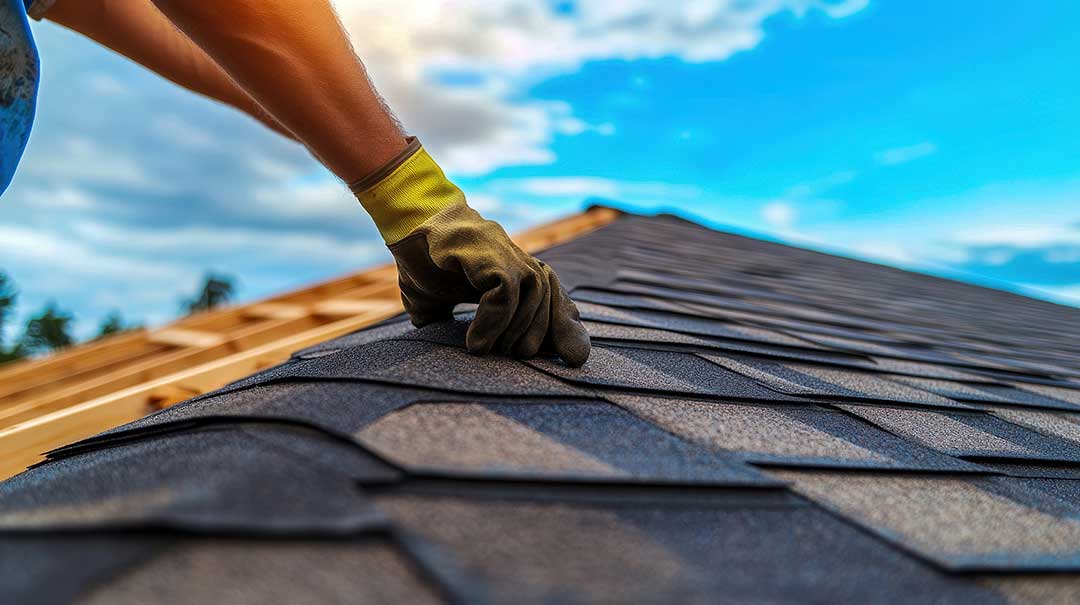
Seals made with high-quality materials can last several years, but annual monitoring improves the odds of catching small problems before they cause expensive interior damage.
Common Mistakes to Avoid
A few missteps often lead to leaks or premature sealant failure. These include:
- Using the wrong product (such as silicone bathtub caulk) instead of roof-rated sealant
- Applying sealant over wet or dirty surfaces
- Forgetting to reinforce or reseal old flashing
- Ignoring small splits or cracks, thinking they're harmless
It’s also a misconception that tar or old-fashioned putty always provides long-term waterproofing—modern formulas outperform these in Ballston Lake’s temperature swings.
What About Local Regulations or Safety Codes?
Most routine roof patching and sealing at the single-family home level does not require permits in Ballston Lake. However, substantial roof work or alterations to attic ventilation may fall under municipal permitting and code rules, particularly for multi-unit properties or historic homes.
Residents with homes in designated historic districts or those belonging to homeowners' associations should confirm that any visible changes (like new skylight installs or chimney modifications) comply with local guidelines.
How Do Seasonal Factors Affect Roof Sealing in Ballston Lake?
The area experiences both harsh ice dams in winter and high UV exposure in summer. These realities can degrade older sealants faster than homeowners expect. Take extra care during late fall and early spring—ice build-up can force water under flashing, so well-adhered, flexible seals are essential.
Late spring to early fall, when temperatures range from 50°F to 80°F and the roof surface is dry, provides the best conditions for applying new seals or making repairs.
