
Why Does Rain Sound Louder on Some Roofs?
The noise from rain hitting a roof can vary significantly depending on building materials, insulation quality, and attic space. Roofs made of metal, thin asphalt, or older wood frequently transfer more sound indoors than those built with modern, layered systems.
- Metal roofing, popular for durability, often generates a distinctive drumming that is louder than other materials.
- Insufficient attic insulation or older underlayment may allow more sound transmission.
- Shallow roof pitches, often seen on additions or sheds, can amplify the impact of heavy rainfall.
Homeowners in Ballston Lake often notice increased noise in homes built during earlier periods or in structures where insulation has deteriorated over time.
Which Roofing Materials Are Quietest During Rainstorms?
Materials make a dramatic difference in how rain sounds indoors. Dense and layered roofing tends to dampen rain noise best.
- Asphalt shingles with a solid sheathing base generally provide a quieter experience than metal panels.
- Clay or concrete tiles, less common in Ballston Lake due to weight and cold weather considerations, are inherently noise-resistant, though not typically favored by local builders.
- Wood shingles dampen noise better than thin sheet metal but can still amplify pounding during heavy downpours if not correctly installed with adequate underlayment.
If roof replacement is not planned, adding noise-dampening upgrades during maintenance can help reduce the noise regardless of roof type.
Can Insulation or Underlayment Help Reduce Rain Noise?
Yes, upgrading insulation and selecting the right underlayment is often the most effective way to reduce rain noise in Ballston Lake homes.
- Attic insulation acts as a sound barrier, absorbent materials such as fiberglass batts or cellulose help minimize the transfer of noise from the roof space to living areas.
- Acoustic or high-density foam boards, if installed beneath metal roofing, can meaningfully reduce sound penetration.
- Modern synthetic roof underlayments are available that specifically target sound dampening, outperforming traditional felt paper.
- In older homes, it’s common for insulation to have settled or thinned out, making periodic checkups worthwhile.
Properly maintained insulation serves not just for sound, but also for heat management—a dual benefit in the region’s variable climate.
What Everyday Steps Can Residents Take Without Altering the Roof Structure?
Without major construction or roof replacement, several practical steps can still lower the perception of rain noise inside your home.
- Use heavy curtains or fabric window treatments, particularly in upper-story rooms, to absorb sound.
- Arrange soft furnishings such as upholstered chairs, throw rugs, and plush bedding beneath roof sections prone to drumming.
- Install draft stoppers or weather stripping on attic and dormer doors to decrease echo effects and prevent outdoor sound from entering living spaces.
- Use portable white noise machines or fans during storms to mask external sounds overnight.
Residents of Ballston Lake sometimes overlook these secondary options, yet small changes indoors can improve comfort during heavy rains.
Are There Overlooked Factors That Can Make Roof Noise Worse?
Yes—besides roofing materials, several contributing factors often increase rain noise unexpectedly.
- Large attic spaces with little stored contents can create an echo chamber effect, amplifying the sound of rain.
- Gaps, cracks, or unsealed penetrations (such as around vent pipes or poorly fitted skylights) can let both water and outside noises indoors.
- Hard, unfinished attic flooring or walls reflect more sound than spaces insulated or finished with drywall or wood paneling.
- Loose gutters or downspouts may reverberate when struck by rain, so ensuring fittings are tight and debris-free can also reduce noise.
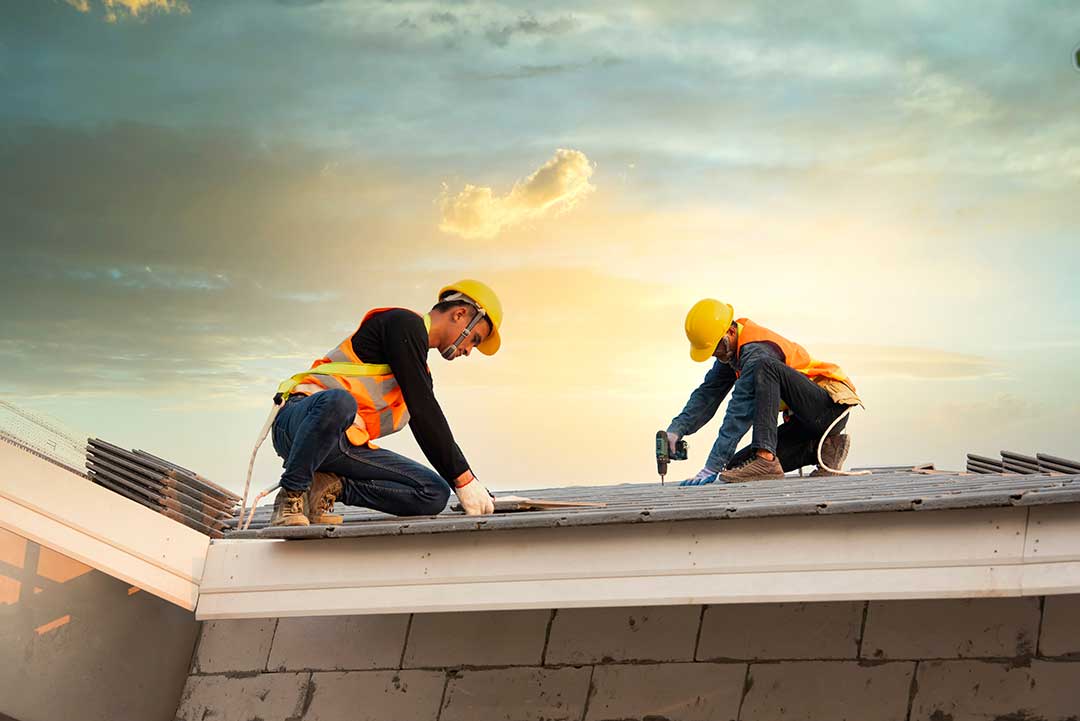
Addressing these issues—often during routine seasonal maintenance—can help reduce the total amount of sound that enters the home.
Does Tree Cover or Landscaping Influence Rain Noise?
Tree cover and landscaping immediately around the house can affect the roof’s noise profile, especially in Ballston Lake’s tree-lined neighborhoods.
- Dense trees can intercept rain before it reaches the roof, softening the initial impact and reducing volume.
- Overhanging branches, while helpful for shade and noise, should be trimmed to prevent possible limb falls during storms, which is a more significant concern.
- Leaf buildup in gutters may cause water overflow, leading to additional splattering noises that sound even louder inside.
Thoughtful landscaping can both shield against weather and subtly improve your home’s indoor soundscape during rainy days.
What Climate Considerations Matter in Ballston Lake, NY?
The region’s climate brings both gentle rains and forceful, wind-driven storms. Consistent freeze-thaw cycles can reduce the effectiveness of insulation or sealants over time, so periodic inspections are recommended.
- In colder months, accumulated ice dams may change how water falls and impacts the roof, sometimes causing temporary increases in noise.
- Area homes with low-sloped roofs from certain architectural periods may be more susceptible to heavy, pounding rain.
- Proper attic ventilation remains important—well-ventilated but insulated attics help minimize moisture buildup while reducing sound transfer.
These factors highlight why solutions effective in other parts of the country may require adjustment for Ballston Lake households.
Can Repairs or Upgrades Reduce Noise Without Total Roof Replacement?
In many cases, noise-reducing improvements do not require extensive renovation. Local households can:
- Add sound-deadening underlayment during minor roof repairs.
- Insulate unfinished attics or top up old insulation, a project manageable for many homeowners.
- Reseal roof penetrations and address minor gaps to cut down on both water intrusion and sound.
Even if an upgrade is incremental, small changes over time can greatly reduce the overall effect of storm noise on a quiet evening at home.
